
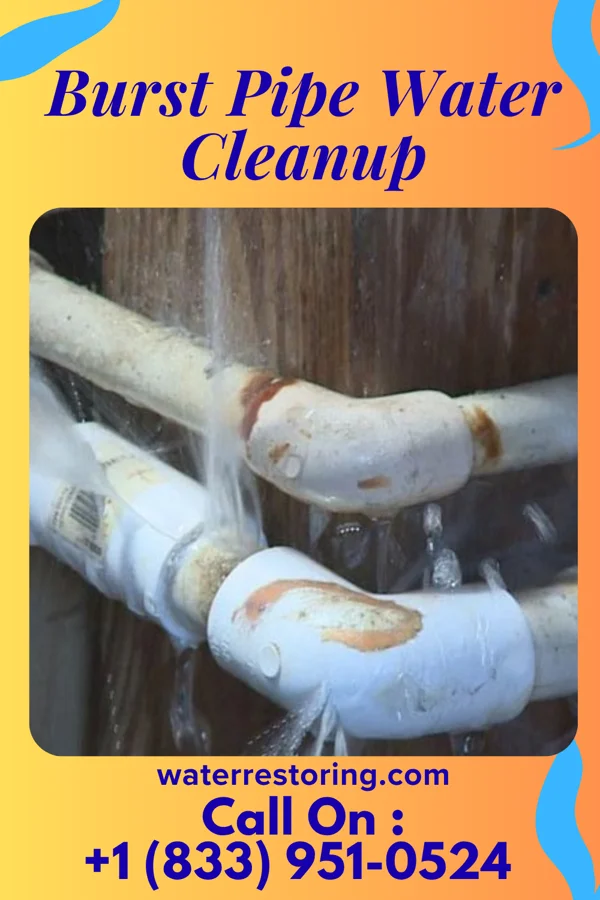
Cherry Grove Pipe Burst Risk Drivers
Water damage in Cherry Grove tends to cluster in predictable windows because of the local climate. Cherry Grove, Ohio, experiences a moderate risk of burst pipes due to its rural setting and aging infrastructure. The area's proximity to Forestville and Dry Run, which have older municipal systems, increases the likelihood of pipe failures during colder months. Additionally, the region's fluctuating temperatures can cause expansion and contraction of pipes, leading to potential bursts. A close second is The presence of nearby towns like Mount Carmel and Forestville means that water pressure fluctuations from neighboring areas can impact Cherry Grove's local water supply lines. This interconnected system increases the risk of secondary pipe bursts, especially during peak usage times or after heavy rainfall events..
Cherry Grove's climate, characterized by cold winters and moderate summers, plays a key role in pipe integrity. The area's rural nature and proximity to other towns with similar climatic conditions mean that pipe failures are often linked to seasonal temperature changes and water pressure shifts.
Cherry Grove's climate, characterized by cold winters and moderate summers, plays a key role in pipe integrity. The area's rural nature and proximity to other towns with similar climatic conditions mean that pipe failures are often linked to seasonal temperature changes and water pressure shifts. The dominant local driver is Cherry Grove, Ohio, experiences a moderate risk of burst pipes due to its rural setting and aging infrastructure. The area's proximity to Forestville and Dry Run, which have older municipal systems, increases the likelihood of pipe failures during colder months. Additionally, the region's fluctuating temperatures can cause expansion and contraction of pipes, leading to potential bursts., with The presence of nearby towns like Mount Carmel and Forestville means that water pressure fluctuations from neighboring areas can impact Cherry Grove's local water supply lines. This interconnected system increases the risk of secondary pipe bursts, especially during peak usage times or after heavy rainfall events. showing up as the next most common cause. Damage builds in stages. Spread. Absorption. Microbial growth. Structural compromise. Every stage you pass through adds to the final bill.
For public guidance on the health effects of mold after prolonged water exposure, see the EPA mold and health page.